Transitions

20191113_112609

“You can not save people. You can only love them.” – Anais Ninn

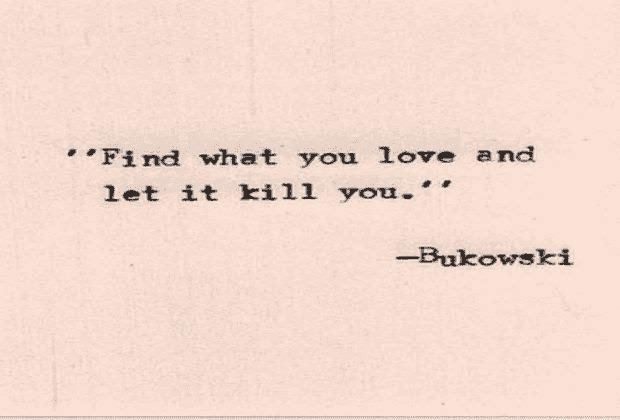
Life is never a straight line and it is always full of twists and turns. We are always transitioning from one stage of our life to the next one. We are always experiencing death of our old selves and the birth of our new selves. Our life is a story of these transitions and how well we adapt to these changing roles. I have found that we become stoic and at times heartless and unforgiving through these life transitions. We put them into the too hard basket, too difficult to deal with.

We come face to face with our vulnerabilities, we discover how very fragile we actually are.  And amongst all this confusion and madness, we look for love, some understanding, and some support. We look for a loving companion, a friend, a soul mate….a special someone who could help us to transition smoothly through all these dark and hazy crevices of our life. We want someone who could show us how to let some rays of light shine through these narrow and dark fault lines of our life. We want a map to navigate through the unknown territory of our soul, full of self doubts, fears and shortcomings.

At times, we all find this world an incredibly crazy place to dwell in. In these moments of darkness and brokenness, I have discovered a meditation to help us transition through these ups and downs of life gracefully, something to think about, something to ponder over in our moments of solitude. I have found this practice really beneficial at many levels.I don’t know anyone who doesn’t want a life filled with love. In order for this to happen, the effort must start within us. Rather than waiting for other people to provide the love we desire, we must be a vision and a source of love. We must tap into our own loving-kindness in order to set an example for others to follow suit.

It has been said that ‘the shortest distance between two points is an intention’. This is certainly true with regard to a life filled with love. The starting point or foundation of a life filled with love is the desire and commitment to be a source of love. Our attitude, choices, acts of kindness, and willingness to be the first to reach out will take us towards this goal.

Next time you find yourself frustrated at the lack of love in your own life or at the lack of love in the world, try an experiment. Forget about the world and other people for few minutes. Instead, look into you own heart. Can you become a source of greater love? Can you think of loving thoughts for yourself and others? Can you extend these loving thoughts towards the rest of the world – even to people whom you think don’t deserve it???

By opening your heart to the possibility of greater love, and by making yourself a source of love (rather than getting love) as a top priority, you will be taking an important step in getting the love you desire. The more love you give, the more you will receive. As you put more emphasis on being a loving person, which is something you can control – and less emphasis on receiving love, which is something you can’t control – you will find that you have plenty of love in your life. Soon you will discover one of the greatest secrets in the world: Love is its own reward.

Love is God and God is Love and love cancels innumerable sins and is merciful and is forgiving. It has no limits to its endurance, bears everything patiently. Love is neither servile nor arrogant. It always acts in harmony with others. All we need is LOVE…. in our lives and beyond, right?

And here are some very famous and widely quoted words to help us transition through life in addition to the above love verses from the Bible. I find these verses from the Bhagvad Gita, incredibly soothing and therapeutic as well:

Whatever happened, happened for the good; whatever is happening, is happening for the good; whatever will happen, will also happen for the good only. You need not have any regrets for the past. You need not worry for the future. The present is happening……

So, let it go, infact let it all GO and let life happen to you. Be spontaneous and let it all flow.  Be present, be mindful. Live in the moment. Let the inevitable and ever present transitions in your life be like thrilling chapters – full of adventure, laughter and most importantly full of love.


 

Love thy will be done!

Perfectly Imperfect

ced69f27fba17b235d9b609dbfff196f

There is a crack in everything, that’s how the light gets in – Leonard Cohen

What would you do if you are given a piece of blank canvas, paintbrush and some colours? Would you just keep it blank or would you draw some lines, sketches or would you paint it wildly and make it a painting, a piece of art, your own version of a Masterpiece? The choice is all yours. We all have one life but how we live it, what we do with it, is always our own decision, our choice. We can make our life a piece of art or just live a life which is very mundane, colourless and resembles a blank canvas. Of course, there are many contributing factors how our life turns out to be, such as cultural, geographical, environmental, and the opportunities we are provided with in our lifetime. However, we can make art even from scrapes. We can collect all the bits and pieces of our unique life experiences and create something beautiful out of them.

How would you define art? Does it bring you joy and happiness? Do you try your best to make it as perfect and as orderly as you can to make it a perfect piece of art? Is perfection an important ingredient of a perfect piece of art or art is imperfect? Have you ever wondered if imperfection and spontaneity can create a beautiful piece of art?

Since our childhood, we come across constant messages of perfection, excellence and brilliance. We are told that any flaws, cracks or defects are undesirable and should be avoided and rejected at all costs. All the various religions and the philosophies of this world talk about how to live your life and how to reach that near perfect stage as a human being on this planet. Anything or anyone short of being ‘perfect’ is seen as a failure. We have all come across perfectionists during our lifetime. We all have at least one perfectionist in our family. Perfectionists seek perfection in everything they do. It is great to be a perfectionist but then life teaches you that life is not perfect.

Our modern day society is obsessed with perfection, perfection in all spheres of life. Perfection is sought at any cost. We as a society want to be physically perfect, we spend billions of dollars on our visual image. We torture ourselves to be without any blemish, without any scars, without any flaws. The cities are awash with humungous billboards promoting flawless, blemish free, prefect models. We want to live in perfect houses with perfect furnishings, perfect cars, perfect vacations, perfect kids, perfect pets, perfect jobs, and perfect everything. These days you can even have a perfect death, you can buy a designer coffin bag for yourself with a hefty price tag – there you go – perfect in life, perfect in death! You could be the epitome of perfection, with money you can achieve perfection more or less. The only pitfall with money is, it doesn’t guarantee you inner peace, contentment or happiness. It is all superficial and soul destroying.

One day, when I was juggling with this ‘perfection vs imperfection’ thoughts, I came across the Japanese philosophy of ‘Wabi-Sabi’. It emerged as an antidote and reaction to the dominant extravagant and luxurious ways of living in the 15th century Japan. It is defined as the Japanese art of imperfect beauty. It is the art of finding beauty in imperfection, in all things imperfect – living or non-living. It is about accepting the natural cycle of growth, decay and death. It is uncluttered, slow and simple. It celebrates life in all its natural stages. It worships cracks, scars, crevices, marks, so called unsightly spots of all kinds and accepts them whole heartedly and finds beauty in them. In today’s world of perfection, it is a breath of fresh air. It is everything that the dominant modern culture is not.
Wab–Sabi values simplicity, modesty and authenticity with an acceptance of the old, of the worn out, and of the asymmetrical. In wabi sabi, you understand and embrace the idea that nothing in this world is permanent, perfect, or complete. It also emphasizes the fact that life hardly ever works out the way we plan it.

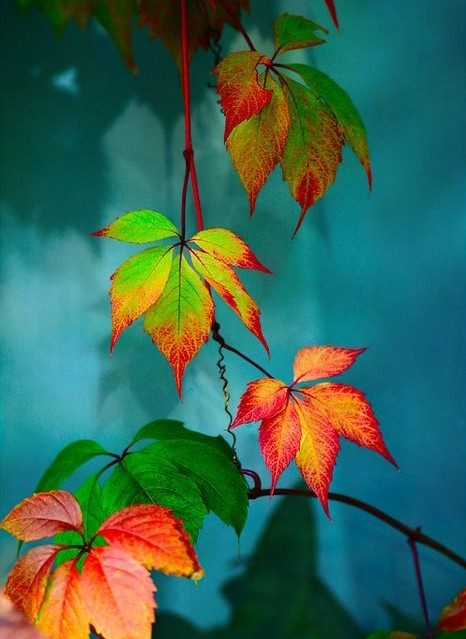
Wabi-Sabi is soothing and calming. It is a serene philosophy of acceptance. It teaches us to accept the natural cycle of life. It teaches us to accept the natural process of aging and different stages of life with grace and gratitude. In a nutshell, ‘Wabi’ basically focuses on elegance which is understated and simplicity which is rustic. It encourages practicing of minimalism. And when you derive pleasure in the imperfections, it is called ‘Sabi’. Wabi-Sabi has a deep understanding of the transient and fleeting nature of this life. It teaches us to embrace the fragility of life and how to love life in all its shades. It teaches us to respect the mark of time and weather. It trains our eyes, heart and soul to seek beauty in unexpected places. You start seeing beauty in melancholy, solitude, in an old men’s toothless smile, in an old woman’s grey hair, in fading autumn leaves, in a broken earthen pot, in an uneven drift wood, in the pages of an old book, in the wrinkles of an old man’s forehead, in the rawness of emotions…..and many such so called ‘imperfect’ things.

Our fast paced and perfect modern lives often lead to stress, anxiety, depression, sadness, loneliness and other mental health issues. Wabi-Sabi can help us in slowing down and to find meaning and fulfilment beyond materialism. It can assist us in deriving joy from the imperfections around us. It also encourages us to practice mindfulness and to count our blessings and to celebrate each moment of our life.

There are seven aesthetic principles for achieving Wabi-Sabi: tranquility, freedom, subtle grace, naturalness, asymmetry/irregularity, simplicity and understated beauty. The art of kintsugi is an excellent example of Wabi-Sabi. In this art form, a cracked pottery is filled with gold dusted lacquer to highlight the aging beauty and damage rather than trying to hide them. The fault is always highlighted and featured. Wabi-Sabi perpetuates the belief that imperfections are essential for a full appreciation of the broken object and this transitory and ever-changing world.
The art of Wabi-Sabi doesn’t require wealth, specialised training, special skills, special abilities or talents. Wabi-Sabi is about acceptance and appreciation of what you already have including all your imperfections. It’s about loving yourself as you are. Wabi-Sabi makes you a ‘perfect’ all accepting, patient, kind, resilient and a beautiful ‘Artist’ of this imperfect world. It allows you to be yourself. You understand and learn how delightfully liberating and joyous it is to fall in love with yourself – imperfections, scars, flaws and all. You realize how beautiful it is to be totally and perfectly ‘Imperfect!’ Imperfection is beautiful becomes your mantra.

Love Unedited

668710af715ee34130943e1e72f96fda

You might be fortunate enough to come across someone with whom you feel a sense of freedom, freedom to be just yourself. You can remain silent for hours together and yet feel no need to talk. Words are not needed anymore, you somehow feel complete with the person. You know in your heart, mind and soul that you have a friend, a soul mate, your life partner. You have a taste of happiness and contentment.

You wish to spend the rest of your life with your soul mate. You look forward to spending your time together. Laying in bed for hours talking about anything and everything under the sun. You don’t edit, you don’t stop and think, you flow like a river, without any hindrances. You feel like a child, running through the green meadows, trying to catch the rays of the sun, with eyes half closed…

Love & happiness always

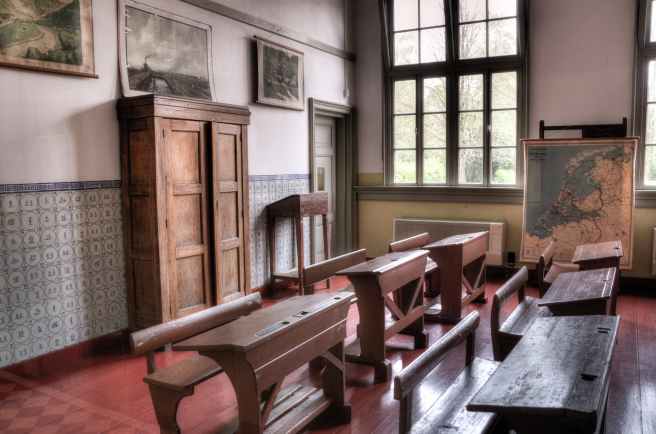
The Backbenchers

wood houses school old
Photo by Skitterphoto on Pexels.com

Numbers & scores are just that – numbers & scores – dry and without any life!

You will usually find it’s not the toppers who top the toughest exam called life with dazzling trophies and awards. It’s the mavericks, the back benchers, the rebels, the ‘think outside the box’ types who ACTUALLY live life! They have a myriad of interesting life experiences, they learn fast, they are the real Sanju babas who actually go for it!

When you have school reunions, you meet someone after couple of decades later, someone you thought would reach for the stars during your school days but alas that’s not the case most times and you get disappointed and surprised….your hero back then is not a hero anymore in real life. You come to a conclusion- there are two kinds in this life:

1. Aapne zindagi ke maje liye (you had fun in this game called life…..)
2. Zindagi ne aapke maje liye (life had a real good fun with you)

There is a twist in the story meri jaan, my love….

I personally find the so called toppers usually really boring and without any life…..always found the backbenchers as the toppers of life, they are more interesting to talk to and are worth spending your time with – jo bahut jee jaan se khele….examples are all around us.

Picture abhi baki hei meri jaan….the game is still on!

Dedicated to all the lovers of life!!!!
❤❤❤❤❤