
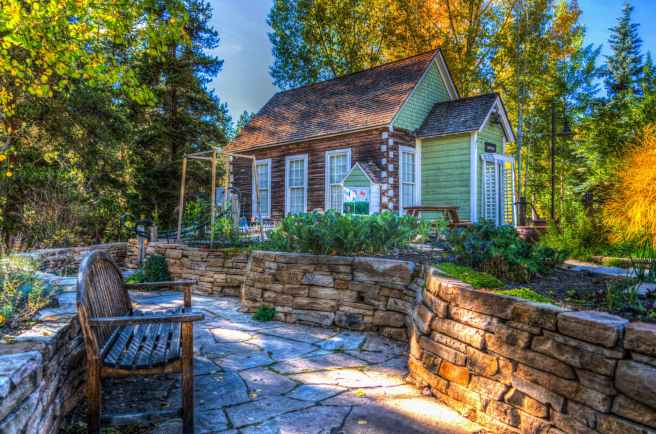
Entrance into any space is often an anticipation of things to come, whenever you go anywhere for the first time, the first thing that leaves a lasting impression on you is the environment and the atmosphere of that particular place. The vibe, the energy and the general feeling of the place can impact your mood straight away. Your physical environment can have a direct impact on your psychological well-being and mental health. Your environment plays a vital role in your overall health.
Physical environment and mental health:
According to the research, the built environment has direct and indirect effects on mental health. People who live in crowded areas and sub-standard quality accommodation and with minimum or no contact with nature are known to suffer from psychological distress more often than people who live in natural and open areas. Various studies also show that Alzheimer’s patients have lower levels of stimulation when they live in open, green and homelier spaces. Other environmental factors such as various air pollutants, toxins, bad/insufficient lighting, loud noises, harmful chemical, radiation, infectious agents, all could elevate our psychological distress leading to mental health problems. Psychosocial factors of the built environment such as having no control over your immediate environment (slum dwellers), lack of socially supportive relationships or lack of proper space to recover from stress and fatigue, could all lead to anxiety, depression and many such other mental health issues.
A modern day scenario of our physical environment:
In today’s world we usually do not have much control over our physical environment. We are a moving population, always on the go. We are crossing continents in search of better life and future, always on the lookout for better opportunities. We are constantly staring into our screens of various shapes and sizes, we eat fast food and gobble down food of no nutritious value and we are struggling with lack of restorative sleep and relaxation time. Our eyes are strained with bright lights and hyper-stimulation. Amongst all this fast paced movement, we hardly notice our physical environment. Who is sitting beside us on the plane, train or bus; in a fast food joint, on even on that park bench whilst we are busy always ‘doing’ something on our electronic devices. We totally disregard our immediate physical environment and live in this virtual world. Gone are those days when we used to know the entire street or the village. We used to have that sense of belonging, when we knew every single tree and nook and corner of our little village. When you knew there would always be a group of wise old gentlemen sitting at the roundabout, under the big shady tree in your village, looking at the world go by, reminiscing and just living in the moment being mindful, cherishing each other’s company, enjoying their surroundings, and taking pride in their village.
In today’s world of humongous teeming metropolises, we don’t even know who our neighbour is, or what the demographics of our street is. We go to work early in the morning, come back home in the dark, just to eat and sleep and then go again into the rat race. No wonder, there is such a spike in people looking for some meaning in their meaningless lives and Marie Kondo, The Minimalists, Hygge etc are gaining popularity, giving tips to people on how to take a break from it all and create a little bit of paradise for themselves to keep sane and to feel happy.
Happiness is such a broad term which is also related to our physical built in environment directly or indirectly. It lifts your mood, impacts your behaviour and motivation positively, reduces anxiety and stress, and increases your sense of general well-being. Big companies are also trying to work on their physical environment so that the productivity of their employees increase manifolds and the creativity factor is positively influenced and the majority of their employees can tick that ‘Happiness’ box.
How to create a happy, positive environment:
We all must have experienced that feeling “I am home” and what it feels like to come home to a clean, welcoming, cozy, warm home at the end of a busy day. You look forward to reaching home, to your familiar space and to your familiar surroundings. No one to bother you, no deadlines, no harsh glare of the screens, no noises.
The Danes are known to be one of the happiest people in the world and the secret to their happiness is embracing ‘Hygge’. It is the Danish way of living life – meaningfully, mindfully, cosily, warmly and happily. Hygge is an oasis, a refuge from our daily struggles of fatigue, disconnection from real world and real people, mental and physical connection exhaustion, and this ever present sense of being totally lost in this modern wilderness. Hygge is all about peace, simplicity and comfort. It is about being authentic, it is about being real and it is about being at peace with everything around you, your surroundings and your atmosphere.
How would you define Hygge? It is a philosophy which encapsulates simplicity, togetherness, familiarity, safety, peacefulness, contentment and warmth. How could we practice Hygge in our daily lives? The first and foremost is about establishing meaning connections with everything and everyone around us, with loving kindness. We need to be mindful of our immediate environment and try to live and enjoy each moment to its full potential. We need to realise that we all are vulnerable and are connected to each other in some way or the other. We all are a part of this universe.
We can do small things to start practicing hygge in our daily lives, such as having a family meal together, when everyone is actually present and enjoying each other’s company, sharing stories and actively turning off all electronic intrusions. Hygge is about creating an atmosphere and a feeling of warmth, safety, comfort and coziness, where no one is competing against each other. Creating an atmosphere with soft lighting, blocking out all the harshness and loudness from your home, lighting up candles. They will create little sanctuaries around your home of softness and warmth to comfort your tired souls and eyes. You can apply Hygge in all spheres of your life – it feeds your soul and warns the innermost corners of your heart.
Try this at home:
• at the entrance of your castle, place a little pot with some aromatic flowers
• declutter as much as possible, only keep those things that spark joy (as Ms Kondo would say)
• introduce some greenery around
• add more flowers, even a single flower could change the whole atmosphere
• light up more candles
• become a pet owner
• put some old favourite family photographs around
• have plenty of cozy blankets, rugs, throws and cushions
• create a cozy nook called ‘Hyggekrog’
• paint your home with soothing colours
The list is long and it depends on everyone’s personal preference, you can apply the same principles to your work environment too, making it less formal and more authentic and comfortable rather than stark and too formal. These days, even hospitals are trying to incorporate these principles into their physical environments. Happy and cheerful colours in the hospitals and wellness centres can contribute towards patients’ quick recovery rather than the stark, clinical and more structured, formal décor/atmosphere. So, create an environment physically which will enrich you spiritually, emotionally and mentally. Listen to you heart, surround yourself with all things nice and soul satisfying. Go deeper, be authentic and be yourself and above all be mindful of your surroundings. Enjoy the moment, soak it all in and listen to the song that your heart is singing….it is happy, content and at peace!
Be nice to yourself, slow down and always, always, always listen to your heart…..home is where the heart is!

 vibhadassingh